









Somatic Exercise Is a Trend?
Your body has been storing stress in places no workout has ever reached. Here's what the science says — and why the most advanced thing you can do for your health right now might be the slowest.
There's a version of somatic exercise you've seen on TikTok. Slow, floor-based movements. Deep exhales. Someone looking impossibly calm. And underneath it all, the implication that if you just shake out your cortisol for twenty minutes, you'll lose weight and finally feel like yourself again.
That version is incomplete. Not wrong exactly — but missing the actual story, which is considerably more interesting and considerably more useful than the algorithm version suggests.
Somatic exercise is not a trend. It is a direct intervention on your autonomic nervous system — the biological infrastructure that determines whether your body is in a state of repair or a state of survival. And the reason it's exploding right now, in 2026, is because chronically elevated stress is now the baseline condition for most women, and the body keeps the score in ways that HIIT, pilates, and running simply cannot address.
What Somatic Actually Means — and Why It Matters
The word comes from the Greek soma, meaning body. But somatic movement is less about the body as a physical object and more about the body as a sensory, nervous system-driven organism — one that holds memory, emotion, and trauma in its tissues in ways that are now well-documented in neuroscience.
Where conventional exercise asks you to override internal signals — push through, reach the rep, hit the number — somatic practice asks you to do the opposite. To move slowly, with full attention to sensation, in micro-amplitudes that create new neuromuscular communication pathways rather than reinforce existing patterns of compensation and tension.
This is not metaphor. It is measurable biology. When you perform slow, intentional movement with deliberate breath coordination, you are directly stimulating the vagus nerve — the longest cranial nerve in the body, running from brainstem to abdomen, and the primary pathway through which your brain and your organs communicate.
80%
of vagus nerve fibers are afferent — meaning they carry information from the body to the brain, not the reverse. Your nervous system is listening to your body far more than it's directing it. Somatic practice works with this architecture, not against it.
Frontiers in Psychology, 2025 — Full study.
The Polyvagal Framework — Why Your Body Gets Stuck
To understand why somatic exercise works, you need to understand what it's working against. Polyvagal theory, developed by neuroscientist Dr. Stephen Porges, describes three distinct states the nervous system can occupy — and why, once you get locked into the wrong one, no amount of willpower or conventional fitness can move you out of it.
The ventral vagal state is safety. You're connected, regulated, capable of digestion, repair, sleep, and genuine recovery. This is where aesthetic results actually happen — where muscle is built, inflammation resolves, and skin glows.
The sympathetic state is mobilization — fight or flight. Cortisol and adrenaline are elevated. Your body is prioritizing survival over repair. Inflammation rises. And critically: this is also the state that most high-intensity exercise keeps you locked in.
The dorsal vagal state is the deepest level of shutdown — freeze, collapse, dissociation. Chronic fatigue. Emotional numbness. A body that feels disconnected from its own signals.
"You cannot out-train a dysregulated nervous system. The body in chronic sympathetic activation is not a body that can recover — from workouts, from stress, or from anything else."
The Science of Slow Movement on Cortisol and HRV
Heart rate variability (HRV) — the variation in time between consecutive heartbeats — is the most precise non-invasive proxy we have for vagal tone and autonomic flexibility. High HRV correlates with better cognitive function, faster physical recovery, and lower systemic inflammation.
Research published in PMC in 2025 demonstrated that slow-paced breathing promotes relaxation and resilience, enhancing vagal activity and inhibiting pro-inflammatory cytokines including TNF-alpha and IL-6. Source
RESEARCH REVIEW — PMC 2021
A systematic review found that body-oriented practices — including somatic movement — can measurably reduce traumatic stress, affective disorders, and somatic symptoms. The mechanism involves interrupting the feedback loop between physical tension patterns and the brain's threat-detection circuitry. Read the full review
SCIENTIFIC REPORTS — NATURE, 2022
Vagal activation through slow, parasympathetic-targeted interventions produced significantly lower cortisol responses to acute stress and less overall cortisol secretion compared to control conditions. Read the full study
The Biohacking Stack: Where Somatic Fits
BIOHACK — NERVOUS SYSTEM PROTOCOL STACK
How to Layer Somatic Practice Into a Complete Health Protocol
Morning (5–10 min) — Regulate before you stimulate. Before caffeine, before screens: five minutes of slow somatic movement to shift the nervous system out of the cortisol awakening response. Source
Post-strength training (10 min) — Parasympathetic recovery window. Ten minutes of slow somatic floor work closes the cortisol window and shifts recovery toward the anabolic, tissue-repair phase. This directly improves training adaptation.
Evening (10–15 min) — Sleep architecture protection. Somatic movement before sleep — particularly slow, floor-based practice — is one of the most effective non-supplemental tools for improving sleep onset and morning HRV readings.
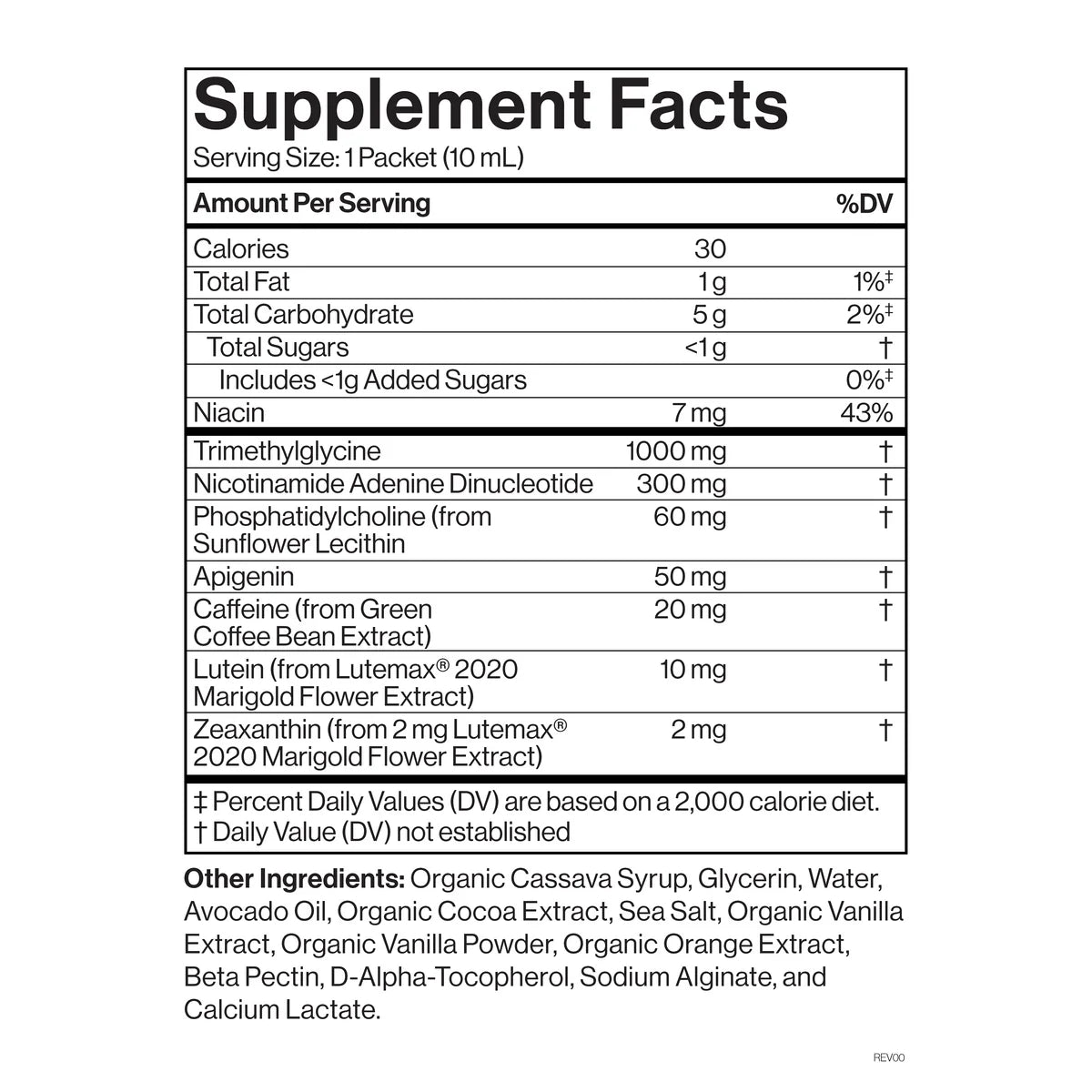
Internal support layer. Ashwagandha (KSM-66, 600mg daily) for HPA axis regulation. Magnesium glycinate (400mg before sleep) to support GABA receptor function and reduce nervous system excitability.
Signs Your Nervous System Needs This More Than Another Workout
- You wake exhausted despite sleeping 7–8 hours. Low HRV during sleep means your nervous system is not recovering.
- You carry chronic tension in your jaw, neck, or shoulders. The tension is being generated by your nervous system, not your muscles.
- Your digestion is unreliable. Chronic sympathetic activation suppresses digestive enzyme production.
- You feel "tired but wired." signature of HPA axis dysregulation.
-
Your skin is reactive or aging faster than expected. Chronic cortisol elevation degrades collagen.

A Five-Minute Starting Protocol
The Minimum Effective Dose — Do This Daily
01 Pelvic tilt — 2 minutes. Lying on your back, knees bent. Inhale and allow the lower back to gently arch. Exhale and slowly press the lower back toward the floor. The movement is tiny — 1–2 centimeters.
02 Shoulder release — 1 minute. Slowly elevate both shoulders toward your ears on a long inhale. Hold for three counts. Release completely on an extended exhale. The release must be slower than the contraction.
03 Slow spinal wave — 1 minute. Begin a gentle forward-backward rocking motion driven entirely by breath. Focus entirely on the sensation of movement through the spine.
04 Extended exhale breath — 1 minute. Lying flat. Inhale for 4 counts. Exhale for 8 counts. This directly activates the vagal brake. You will feel a physiological shift within 90 seconds.

Written by Evgeniia Yeroshkina
Writes about wellness, daily movement, and clean nutrition. Outside of editing, you can find her drinking too much iced coffee, running, or walking her dog.