





Intimate Hygiene: What Your Body Actually Needs and What's Silently Harming It
Why daily liners are disrupting your microbiome, which ingredients gynecologists actually trust, and how to biohack your vaginal health across every hormonal phase of life.
Feminine intimate care is an inseparable part of knowing your own body — and yet it remains wrapped in more myths, misinformation, and marketing noise than almost any other area of women's health. From the contents of your wash gel to the fabric of your underwear, from the lubricant on your nightstand to the liner in your underwear drawer: every seemingly small choice accumulates into a measurable impact on your vaginal ecosystem.
And this is not a topic that ends at thirty. Intimate hygiene is a lifelong variable — one that shifts meaningfully with every hormonal transition a woman moves through: puberty, reproductive years, pregnancy, postpartum recovery, perimenopause, and beyond. Getting it right isn't a luxury. It's biology.

The Intimate Zone Evolves With You
The first thing to understand is that your intimate zone is not static. It is a living, hormonally responsive tissue system — one that changes its moisture levels, elasticity, microbial composition, and pH sensitivity at every stage of life. The needs of a 22-year-old are meaningfully different from those of a 38-year-old postpartum woman, which differ again from a woman navigating perimenopause.
In the reproductive years, the vaginal pH typically sits between 3.8 and 4.5 — a mildly acidic environment maintained by a thriving population of lactobacilli. During pregnancy, the environment becomes even more acidic as the body reinforces its protective barrier. After menopause, declining estrogen thins vaginal tissue and shifts the pH upward, creating vulnerability to dryness, microabrasions, and dysbiosis.
Understanding this is the foundation of intelligent intimate care — because the products and habits that support one phase can actively undermine another.
BIOHACK #01 — PH MONITORING
Track Your Vaginal pH Like You Track Your HRV
At-home vaginal pH test strips (available at most pharmacies for under $15) can give you real-time feedback on your microbiome health — especially useful after antibiotic use, during luteal phase dips, or when transitioning off hormonal contraception. Healthy range: 3.8 — 4.5. A reading above 4.5 is an early warning flag for dysbiosis — before symptoms even appear.
The Rules: What Intimate Care Actually Requires
Before diving into ingredients and products, the fundamental protocol is surprisingly simple — and most women are overcomplicating it in ways that actively create problems.
The vagina is a self-cleaning organ. It does not need to be washed internally, irrigated, or "refreshed" with douches or internal treatments. What does require regular attention is the external intimate area — the vulva — which benefits from gentle, pH-balanced cleansing once or twice daily.
After cleansing, never rub the area dry with a towel. Pat gently. The epithelium here is thin, well-vascularized, and significantly more reactive to friction and irritation than facial skin. Treat it accordingly.
Avoid wet wipes — even those marketed as "gentle" or "for sensitive skin" — as part of any regular routine. The same applies to antiseptic sprays or washes outside of medically directed use.
CLINICAL FACT
Studies show that approximately 75% of women will experience at least one episode of bacterial vaginosis or vaginal candidiasis in their lifetime, and disruption of the vaginal microbiome — often from over-cleansing or inappropriate products — is among the leading contributing factors. The vaginal microbiome is dominated by Lactobacillus crispatus and L. iners, which produce lactic acid to maintain the protective acidic pH. Anything that kills these bacteria opens the door to pathogenic overgrowth.
Ingredients That Actually Belong in Your Intimate Care
The ingredient list on your intimate wash or serum is not decoration. When the tissue is as reactive as vaginal epithelium, what you put on it daily shapes your microbiome — for better or worse. Here's what gynecologists actually look for:
- Lactic Acid
- Hyaluronic Acid
- Panthenol (Pro-Vit B5)
- Allantoin
- Probiotics / Lactobacillus
- Aloe Vera
- D-Panthenol
- KGF / Growth Factors
Lactic Acid
Lactic acid is the most physiologically aligned active ingredient you can find in intimate care. It directly mirrors what your own lactobacilli produce naturally — supporting and reinforcing the vagina's built-in pH defense system. In cleansers and serums, lactic acid acts as both a gentle exfoliant and a microbiome protector.
Hyaluronic Acid
Hyaluronic acid is non-negotiable for women in perimenopause or menopause — and more beneficial than most realize for younger women too. As estrogen levels fall, the vaginal mucosa loses its capacity to retain moisture, leading to dryness, burning, and dyspareunia. Topical hyaluronic acid applied regularly can significantly reduce these symptoms and restore tissue plumpness.
Panthenol and Allantoin
Panthenol (pro-vitamin B5) and allantoin are the calming workhorses of intimate formulas. They reduce inflammation, accelerate tissue recovery, and are particularly valuable after hair removal — laser or otherwise — when the skin is temporarily more vulnerable and reactive.
Probiotics
Topically applied probiotics — particularly Lactobacillus strains — represent one of the most exciting frontiers in intimate skincare. By delivering live or lysate forms of the bacteria that naturally dominate a healthy vaginal microbiome, probiotic formulas create a competitive environment that makes it harder for pathogenic organisms to establish themselves.
BIOHACK #02 — ORAL + TOPICAL SYNERGY
Stack Oral and Topical Probiotics for Microbiome Defense
Research published in the European Journal of Clinical Microbiology found that oral supplementation with Lactobacillus rhamnosus GR-1 and L. reuteri RC-14 can colonize the vaginal microbiome via the gut-vaginal axis within 28 days. Stack this with topical probiotic intimate wash for dual-channel microbiome support.
The Ingredient Blacklist: What to Remove From Your Shelf
If the "good" ingredients are about reinforcing your body's own defenses, the ingredients to avoid are defined by one shared characteristic: they break things that your body needs intact.
What Gynecologists Tell You to Avoid
- Aggressive surfactants (SLS/SLES) — Strip the lipid barrier of the mucosa, cause transepidermal water loss, trigger dryness and pH disruption.
- Synthetic fragrances / parfum — The leading cause of intimate contact dermatitis; thin vaginal epithelium absorbs these compounds more readily than regular skin.
- Alcohol (denatured or ethyl) — Denatures proteins, causes dehydration, and dramatically worsens symptoms in perimenopausal women.
- Antiseptics (daily use) — Daily use destroys protective lactobacilli alongside pathogens.
- Glycerin (in lubricants) — Osmotically draws water from vaginal tissue; can promote yeast overgrowth.
- Parabens (in lubricants) — Act as weak xenoestrogens.
CLINICAL FACT
The vaginal epithelium is estimated to be 3 — 5× more permeable than regular skin, and it is richly vascularized — meaning ingredients absorb rapidly and systemically. This is why the wrong ingredients cause disproportionate harm in this area compared to their impact elsewhere on the body.

The Daily Liner Problem No One Is Talking About
Daily panty liners have been marketed to women as a hygiene essential for decades. The reality is more complicated. When worn continuously, liners create what clinicians call a "greenhouse effect" — trapping heat and moisture against the vulvar tissue. This warm, humid microenvironment is precisely the condition that pathogenic bacteria and yeast thrive in. The disruption to the local microbiome is measurable and clinically significant.
The appropriate use case for daily liners is narrow: the beginning and end of menstruation, or ovulatory phases with notably increased discharge. When you do use them, choose unscented liners with a natural (preferably cotton) top layer — and change them frequently rather than wearing one all day.
BIOHACK #03 — FABRIC OPTIMIZATION
Your Underwear Is a Microbiome Intervention
A 2023 study in the Journal of Women's Health found that women who wore 100% cotton underwear had measurably higher Lactobacillus diversity. If you love your lace: choose pieces with a wide cotton gusset that fully covers the vulva, and reserve synthetics for shorter wear durations.
How Underwear Choice Shapes Your Microbiome
This is not about aesthetics — it's about microbiology. Synthetic fabrics create the exact conditions the wrong microorganisms love: elevated local temperature, trapped moisture, and reduced airflow. The result is a measurable reduction in Lactobacillus populations. The practical approach: prioritize cotton for daily wear, particularly anything worn for 8+ hours.
EDITOR'S PICK · INTIMATE CARE
MAUDE Wash No. 2 — Gentle Intimate Cleanser
A pH-balanced, fragrance-free intimate wash formulated without the surfactants and synthetic irritants that disrupt the vaginal microbiome.

Maude Wash No. 2
The Lubricant Conversation Women Need to Have
Vaginal dryness and insufficient lubrication are not conditions that arrive only at menopause. They are documented across the full hormonal spectrum of a woman's life: postpartum, during high-stress periods, or following surgery. A good lubricant is not indulgence — it is preventive medicine.
What a Safe Lubricant Actually Looks Like
A clinician-approved lubricant checks specific boxes. It should have a pH between 3.8 and 4.5. It should be free of fragrances, dyes, glycerin, and parabens. In terms of active ingredients, the gold standard shortlist is: aloe vera, lactic acid, hyaluronic acid, and D-panthenol.
BIOHACK #04 — CYCLE SYNCING YOUR LUBRICATION NEEDS
Your Natural Lubrication Follows Your Hormones — Supplement Intelligently
Cervical mucus and vaginal lubrication are highest at ovulation (estrogen peak) and lowest during the late luteal phase and menstruation. Women who chart their cycles can anticipate these predictable dips and use lubricant proactively — rather than reactively.
GYNECOLOGIST-ALIGNED · CLEAN FORMULA
MAUDE Shine Organic Lubricant
Ultra-pure silicone formula — no glycerin, no parabens, no fragrance. Provides long-lasting glide without the osmotic water-drawing effects of glycerin-based lubricants.

Maude Shine Organic Lubricant
Vaginal Tissue Regeneration: The Cutting Edge
For women experiencing significant vaginal atrophy or post-procedural recovery, the conversation has expanded beyond basic hygiene into active tissue regeneration.
Growth factor technology, long used in advanced facial anti-aging, is now being applied to vaginal tissue with clinically validated results. These factors signal to resident stem cells to upregulate collagen synthesis and restore hydration capacity.
"Vaginal atrophy is not an inevitable consequence of aging. It is a treatable biological state — and the tools to address it now extend well beyond hormone replacement."
ADVANCED · TISSUE REGENERATION
ANTEAGE VRS — Vaginal Rejuvenation Solution (6-Pack)
Clinically tested by gynecologists, VRS uses bone marrow stem cell conditioned media to deliver growth factors (KGF, KGF-2, VEGF) and hyaluronic acid directly to vaginal tissue. Hormone-free.

AnteAGE VRS — Vaginal Rejuvenation Solution (6-Pack)
BIOHACK #05 — GROWTH FACTORS + RED LIGHT SYNERGY
Enhance Topical Regeneration With Pelvic Red Light Therapy
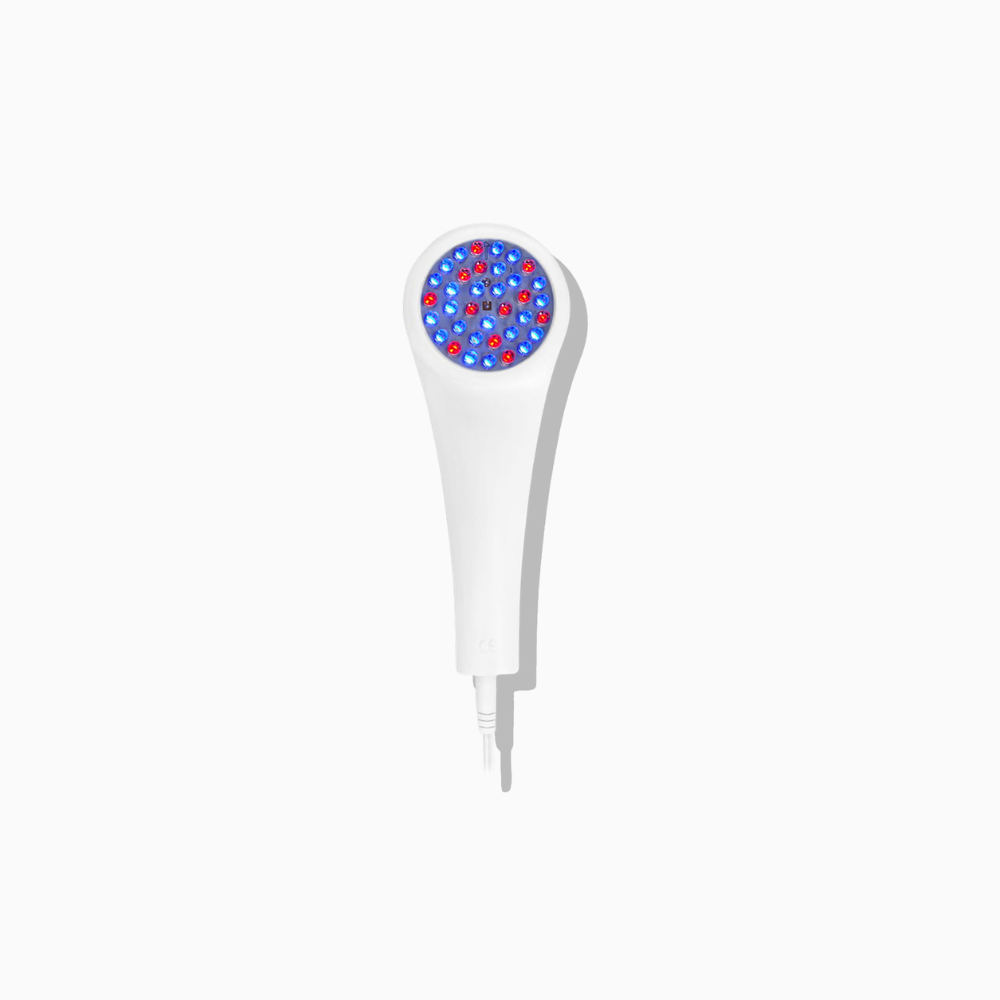
Low-level laser therapy (LLLT) and red light therapy applied to the pelvic floor have been shown to increase mitochondrial activity in local fibroblasts. When combined with topical growth factor serums like VRS, the biological response may be amplified.
Intimate Health Across the Hormonal Lifespan
| Life Phase | Key Challenge | Priority Ingredients |
|---|---|---|
| Reproductive years | Microbiome balance, post-depilation sensitivity | Lactic acid, probiotics, panthenol |
| Pregnancy | Heightened sensitivity, increased discharge | Fragrance-free formulas, aloe, allantoin |
| Postpartum / breastfeeding | Low estrogen → dryness, microabrasions | Hyaluronic acid, lubricants, D-panthenol |
| Perimenopause | Thinning epithelium, pH shift, dryness onset | HA, growth factors, alcohol-free formulas |
| Menopause+ | GSM, atrophy, elevated infection risk | VRS/growth factors, HA, lactic acid, daily lubricant |
BIOHACK #06 — SUPPLEMENT STACK FOR VAGINAL HEALTH
The Inside-Out Approach to Vaginal Tissue Quality
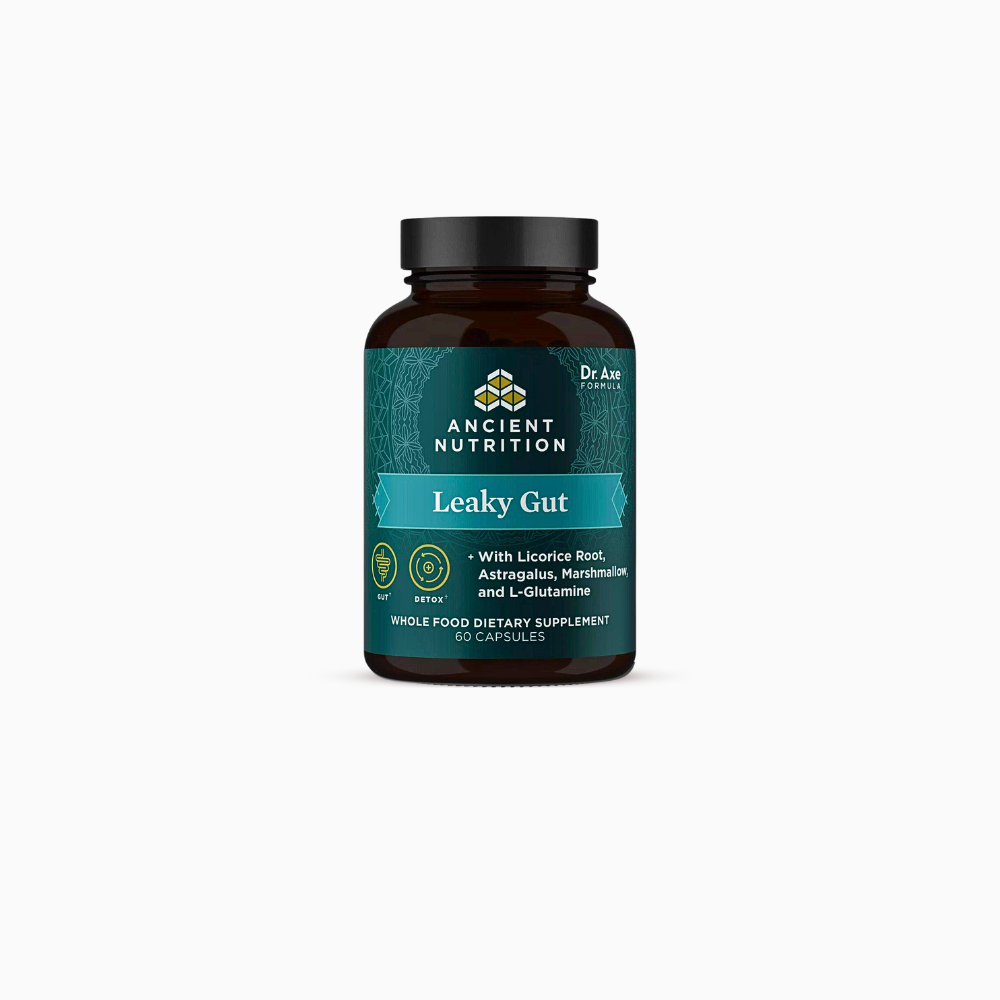
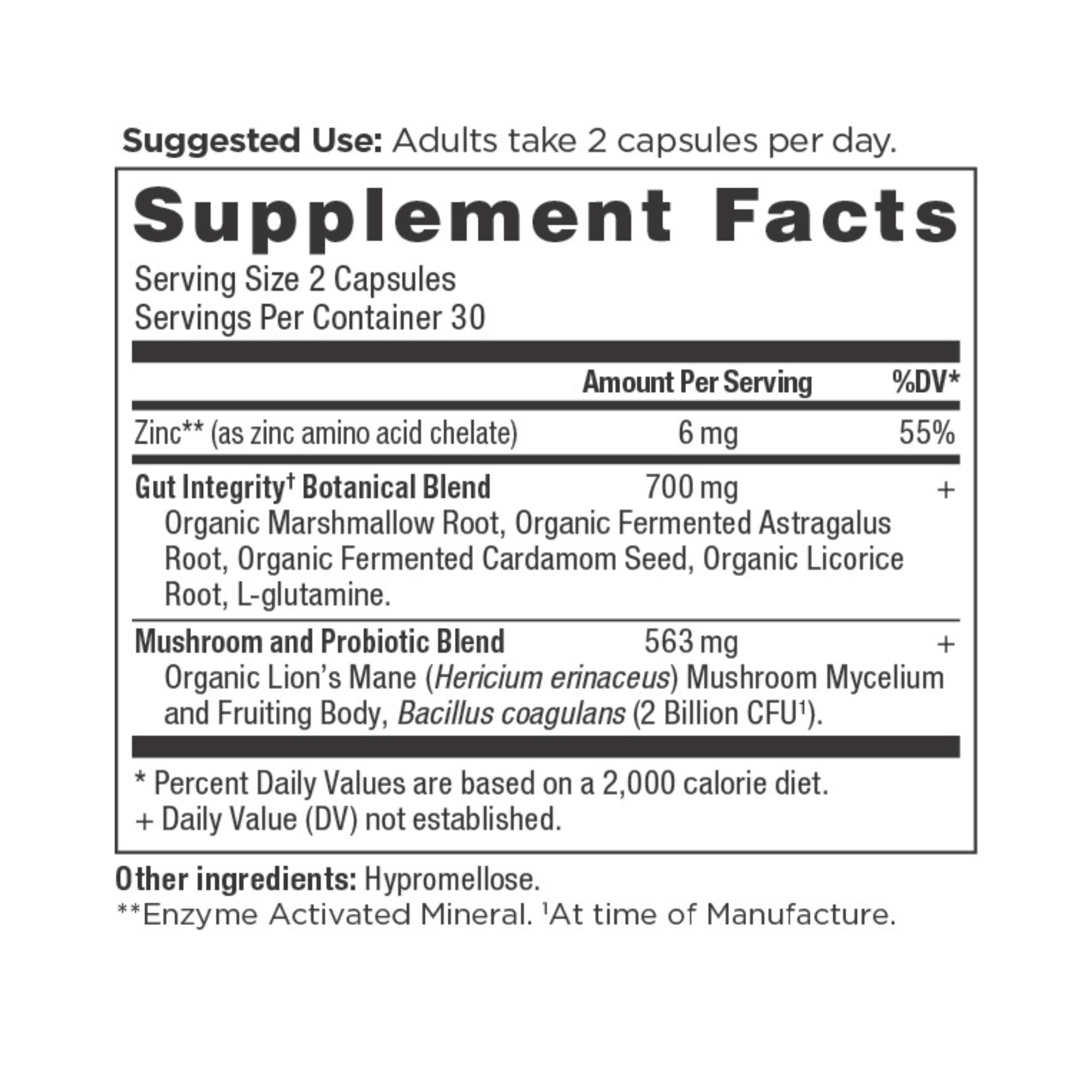
Key supplements include: Omega-3 fatty acids, Vitamin E, Sea buckthorn oil, and oral probiotics. Together, these form an "inside-out" intimate health protocol.
The Bottom Line
Intimate health is not a niche wellness concern — it is one of the most direct expressions of how well you understand your own body and its biological rhythms. It requires choosing products whose ingredient lists reflect genuine knowledge of vaginal physiology, dressing your body in fabrics that support rather than sabotage your microbiome, and understanding that every hormonal transition is an invitation to recalibrate your care. Shop Vaginal Health
This article is for informational purposes only and does not constitute medical advice. Consult a qualified gynecologist or healthcare provider for personalized recommendations. Product references reflect editorial curation by Skin Love Cream.

Written by Evgeniia Yeroshkina
Writes about wellness, daily movement, and clean nutrition. Outside of editing, you can find her drinking too much iced coffee, running, or walking her dog.