











Digestive Issues While You're Traveling
The circadian biology behind bloating, constipation, and traveler's diarrhea — and the exact protocol to stop it before it starts.
There is a particular kind of vacation misery nobody posts about: the bloated, cramped, desperately-bathroom-seeking version of yourself that appears somewhere between the departure gate and hotel check-in. It happens to nearly everyone and most people assume it is just bad luck — the wrong meal, a nervous stomach, something in the water.
It is not bad luck. Up to 40% of travelers experience constipation during a trip, and as many as 70% will encounter traveler's diarrhea at some point. Those numbers reflect something precise happening inside your enteric nervous system — the gut's own neural layer — which is exquisitely sensitive to the things travel deliberately destroys: routine, circadian timing, hydration, fiber intake, and sleep.
What follows is the science of why, plus everything you can actually do about it.
Your Gut Has a Circadian Clock. Travel Breaks It.
This is the part most gut-health conversations skip entirely. Your microbiome is not static — it oscillates in composition and metabolic activity across a 24-hour cycle, synchronized with your body's master biological clock. Research published in Frontiers in Nutrition describes this as the Chrono-Microbiota-Motility axis: a framework in which your gut bacteria, your circadian clock, and intestinal motility are locked in a coordinated rhythm. When that rhythm is broken by time-zone crossing, irregular meal timing, or disrupted sleep, the result is what researchers now call gut jet lag.
The mechanism is specific. Circadian disruption suppresses the production of short-chain fatty acids — particularly butyrate and propionate — which your beneficial bacteria generate to drive intestinal propulsion and keep the gut lining intact. A separate study confirmed that even an acute shift in sleep-wake cycles measurably alters gut microbial functional profiles within days. Less butyrate means slower motility, more permeability, and the exact conditions for bloating and constipation.
The Cabin Problem Nobody Mentions
Aircraft cabin pressure is maintained at the equivalent of 6,000 to 8,000 feet altitude, which causes intestinal gas to expand by roughly 25 to 30 percent. If you boarded already bloated or ate gas-producing foods before the flight, that physics is going to announce itself.
The low-humidity cabin environment — typically under 20% relative humidity — doubles fluid loss through respiration and skin. That accelerated dehydration hardens stool and slows motility before you have even landed. Avoid high-FODMAP foods (garlic, onion, beans, cruciferous vegetables) and carbonated drinks in the 12 hours before a long flight. Target roughly 250ml of water per hour in the air — more than feels necessary, less than you probably drink.
The Stress-Gut Connection Is Neurochemistry, Not Nerves
The gut and brain are in constant dialogue via roughly 500 million neurons lining your gastrointestinal tract. Under stress, cortisol and sympathetic nervous system activation redirect blood flow away from digestion and alter motility — which is why airports produce diarrhea for some people and constipation for others. The gut-brain axis responds to psychological stress with the same urgency it responds to physical threat.
Movement is one of the most direct interventions. Research shows exercise acutely modifies gut microbiota activity and improves motility through serotonin signaling in the gut. It also directly regulates the gut-brain axis. Walking a new city can easily accumulate four to six miles, and a 10-minute post-meal walk meaningfully stimulates intestinal transit without requiring a gym.
The One Probiotic That Actually Has the Evidence
Not all probiotics are equal for travel, and strain specificity matters. One organism has the most consistent clinical backing: Saccharomyces boulardii, a probiotic yeast. A placebo-controlled double-blind trial of approximately 3,000 travelers found that prophylactic S. boulardii significantly reduced traveler's diarrhea in a dose-dependent pattern, with the strongest effect in North Africa and the Middle East.
A meta-analysis of 12 randomized controlled trials confirmed that S. boulardii reduces traveler's diarrhea risk and can be strongly recommended for adult travelers. It works by competing with pathogens for intestinal adhesion sites, degrading bacterial toxins, restoring short-chain fatty acid balance, and upregulating secretory IgA — the gut's front-line immune protein.
For constipation specifically, strains including Bifidobacterium longum, B. lactis, and Lactobacillus rhamnosus have evidence for improving transit time. Start your probiotic protocol 3 to 5 days before departure — not the morning of your flight.
Eat Fiber. Eat on a Schedule. In That Order.
The most common driver of travel gut disruption is dietary shift — less fiber, more processed food, irregular meal timing. Fiber is the primary substrate for SCFA-producing bacteria; when it drops, motility slows. Irregular eating patterns measurably alter gut microbiome composition and disrupt the synthesis rhythm of butyrate and propionate. Keep fiber-rich snacks in your bag — nuts, whole fruit, dried apricots, whole grain crackers — rather than trying to compensate at a heavy dinner.
One caveat: if you are already constipated, suddenly loading up on fiber worsens bloating. The smarter approach is steady maintenance, not compensation. Eat at consistent local mealtimes where possible. It helps anchor your enteric clock even when your sleep is still adjusting.
Hydration Is Infrastructure, Not Wellness Theater
The intestinal lining requires adequate fluid to keep stool soft and motility functional. When dehydrated, your colon pulls water out of stool — making it harder and slower. Electrolytes are essential for rapid rehydration because water alone lacks the sodium and potassium needed to drive intestinal absorption. Magnesium in particular supports gut motility by relaxing smooth muscle and drawing water into the colon — magnesium glycinate or citrate at 200 to 400mg before bed is worth adding if constipation is your travel pattern.
In destinations where water safety is uncertain: stick to sealed bottled water, avoid ice, and be cautious with raw produce that may have been washed in local tap water. Traveler's diarrhea is predominantly bacterial and primarily transmitted through contaminated food and water. Prevention takes five seconds. Treatment takes three miserable days.
Your Gut Repairs Itself While You Sleep
The migrating motor complex — a wave-like muscular contraction that sweeps your small intestine roughly every 90 minutes — is most active during sleep and the fasted state between meals. It is the gut's overnight cleaning cycle, clearing undigested debris and preventing bacterial overgrowth. Disrupted sleep disrupts this cycle, which is why multi-night sleep debt from travel compounds into progressively worse digestion.
Stop eating two to three hours before bed. This allows blood glucose to return to baseline, activates the parasympathetic nervous system, and gives the migrating motor complex room to run. Five minutes of genuine wind-down — slow breathing, screens away, whatever works — initiates the autonomic shift from sympathetic (alert, digestion paused) to parasympathetic (rest, digest, repair). It is the cheapest gut intervention on this list.
The Pre-Travel Protocol
5 days before departure:
Start S. boulardii daily. Continue through the entire trip.
Day of flight:
Skip high-FODMAP and gas-producing foods. Front-load water before boarding. Bring fiber-rich snacks. No alcohol or excessive caffeine in the air.
On the ground:
Eat at local mealtimes. Walk after meals. Add electrolytes if dehydrated. Magnesium in the evening if constipated. Stop eating 2 to 3 hours before bed.
Your microbiome is adaptive. It just needs a little help staying synchronized when everything around it has changed.
Travel Essentials
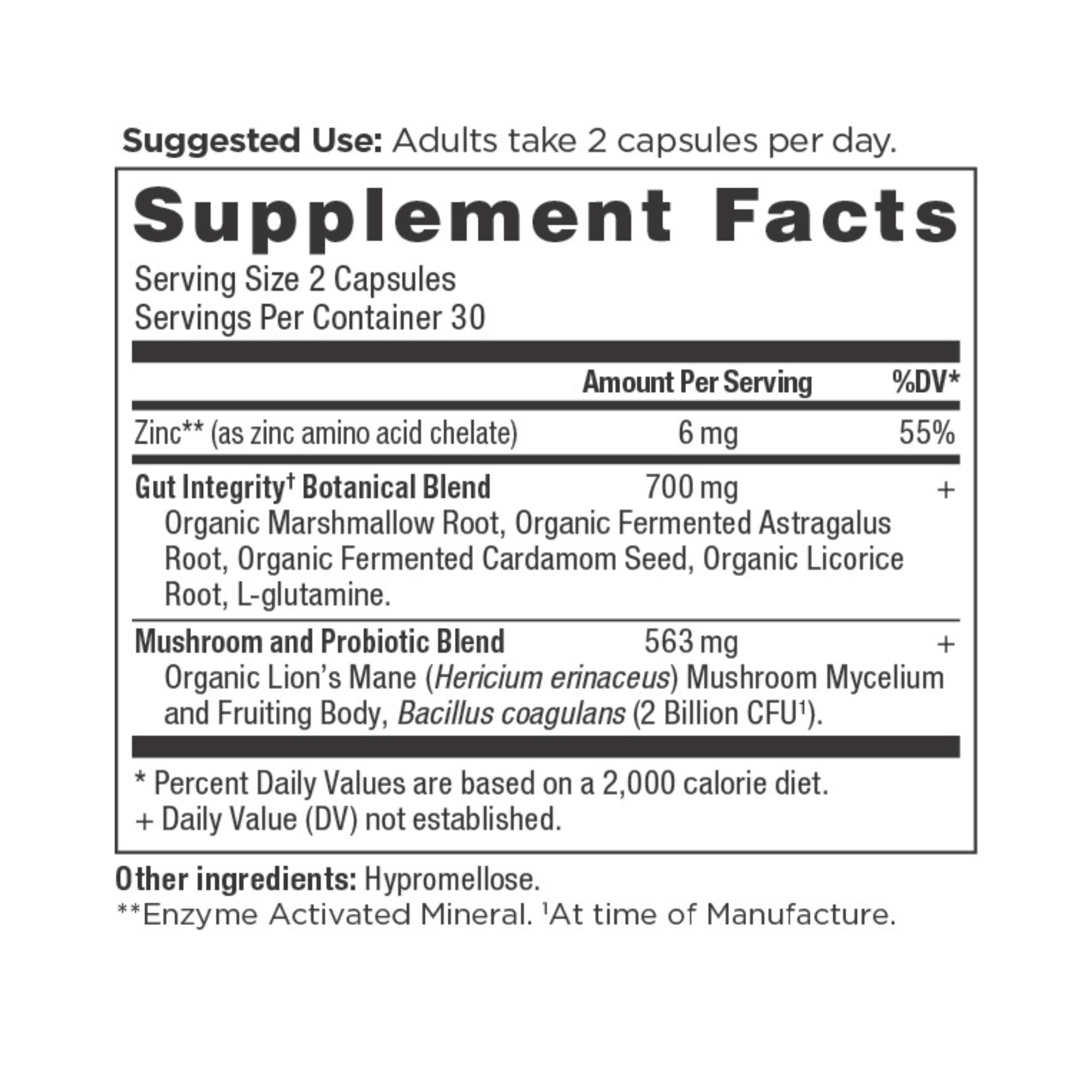
The Nue Co. Prebiotic + Probiotic delivers shelf-stable clinical strains to keep your "cleaning cycle" active during travel.

Intracellular Hydration: Cabin air halts motility. Use an Electrolyte Powder to ensure fluid reaches the cellular level, keeping the system functional.
The Evening Reset: Trigger "rest and digest" with Magnesium. This supports the gut’s overnight repair so you wake up de-puffed.
Metabolic Support: Digestive enzymes are critical for travel meals. They break down proteins and fats to eliminate post-flight heaviness.
This article is for informational purposes only and is not a substitute for professional medical advice.

Written by iana salyvoniuk
Writes about wellness, daily movement, and clean nutrition. Outside of editing, you can find her drinking too much iced coffee, running, or walking her dog.