









Your Gut Has a Nervous System. Here’s What It’s Telling You
Did you know your gut contains 500 million neurons? It is a massive, independent command center—a mood, decision-making, and craving system you’ve never been formally introduced to. It is time to change that.
There’s a version of gut health that lives in the wellness world—probiotics, bloat, and fiber. And then there’s what your gut is actually doing at a biological level. Your gut has its own nervous system, an anatomically distinct network of neurons embedded in your gastrointestinal walls. Scientists call it the "second brain" because it operates with enough independence to function without input from your head. It makes decisions and influences how you feel and think every single day.

500 Million Neurons: The Enteric Nervous System (ENS)
The Enteric Nervous System (ENS) is the most complex neural network outside of your brain. It monitors everything—food, bacteria, toxins, and immune signals—and responds in real time.
The ENS communicates with your head through the vagus nerve, a bidirectional highway. While your brain sends information down, your gut sends information up. In fact, roughly 90% of the signals on the vagus nerve travel from gut to brain. Your gut is talking to your brain far more than your brain is talking to your gut. From a biohacking perspective, this means your "mental" state is often a "visceral" state.
Serotonin Lives in Your Gut, Not Your Brain
Approximately 90% of your body’s serotonin is produced in the gut. We often associate serotonin with mood stability in the brain, but its production is heavily dictated by the bacteria living in your digestive tract.
When your microbiome is balanced, serotonin production runs smoothly. When it is disrupted by stress, antibiotics, or poor diet, serotonin synthesis becomes erratic. This shows up as mood instability, anxiety, and a specific low-grade emotional flatness. Specific bacteria like Lactobacillus helveticus increase GABA—the brain’s primary calming neurotransmitter—while Bifidobacterium longum has been shown to reduce circulating cortisol. Your bacteria are active participants in your emotional regulation.
The Craving Mechanism: Bacterial Hijacking
Your gut dictates what you want to eat. The ENS contains specialized cells that sample your food and release hormones like ghrelin, leptin, and GLP-1. These travel to the brain to shape hunger and satiety.
However, your bacteria can "hijack" these signals. A microbiome heavy in sugar-fermenting bacteria will generate stronger signals pushing you toward sugar to feed itself. Your cravings are not purely psychological; they are bacterial instructions sent via the vagus nerve to shape your neurological function from the bottom up.
Biohacking Your Gut-Brain Axis
The ENS is remarkably plastic. You can rewire these signals with specific, high-leverage inputs:
-
Vagus Nerve Stimulation: Improve signal quality instantly. Cold water exposure on the face, diaphragmatic breathing, or even loud humming activates the parasympathetic nervous system.
-
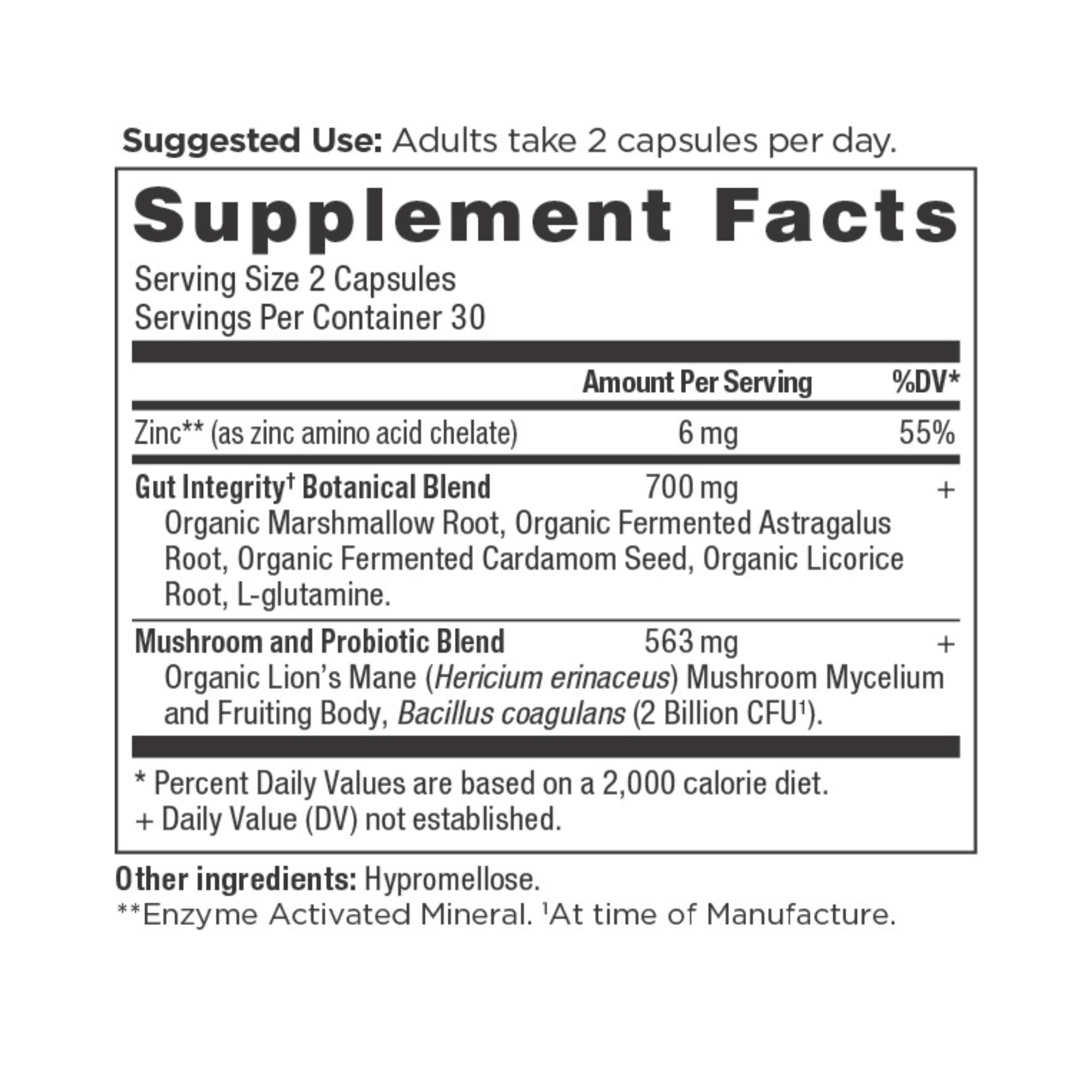
Targeted Supplementation: A precise protocol adds strains that support neurotransmitter production. The Nue Co. Prebiotic + Probiotic delivers 15 billion spores of Bacillus Coagulans with a prebiotic base to feed the microbiome.
-
Fiber Diversity: Different bacterial species feed on different fiber structures. Aim for diverse sources to reduce inflammation and support the intestinal barrier integrity
-
Sleep and Circadian Alignment: The ENS has its own biological clock. Aligning your eating window with daylight hours helps stabilize digestive timing and barrier integrity.
The Biological Basis of "Gut Feelings"
"Going with your gut" is not just a figure of speech. The ENS processes information about your internal state — inflammatory load and microbial balance — and transmits it upward. Researchers believe this is the biological basis for intuition: a rapid integration of signals that the brain receives before conscious thought begins.
Chronic stress, antibiotics, and processed sugars reliably damage this system. Stress floods the gut with cortisol, increasing intestinal permeability (leaky gut) and creating a loop of anxiety. To break the cycle, you must treat the gut as a sensory organ.
The gut stopped being just a digestive organ the moment we understood the ENS. It is a neurotransmitter factory and a continuous signal to the brain. When it is working well, you feel it in your mood stability and clear thinking. When it isn't, 500 million neurons are trying to warn you. It is worth listening.
Related Reading

Written by Anastasiia Zhornikova
Writes about wellness, daily movement, and clean nutrition. Outside of editing, you can find her drinking too much iced coffee, running, or walking her dog.