




Article: The Rise of Adult Acne
The Rise of Adult Acne
Clinics worldwide confirm the numbers: acne is no longer confined to youth. According to the American Academy of Dermatology, acne now affects up to 15% of adult women between ages 35–50. Stress, environmental aggressors, disrupted hormones, and lifestyle factors converge to create a perfect storm for breakouts in modern adults.
Adult acne is especially stubborn. Hormonal patterns, slower cell turnover, and years of accumulated sun exposure all make the skin more reactive. Unlike teenage acne, which often clears with time, adult acne often requires a thoughtful balance of targeted treatments and supportive care.

Stress, Cortisol, and the Skin-Brain Axis
Stress is more than a feeling — it’s biology. When we’re under pressure, the body releases cortisol, which directly stimulates sebaceous glands, creating an acne-prone environment. Cortisol also increases inflammation and slows down wound healing, meaning a single pimple lasts longer and feels angrier.
Sleep deprivation and blood sugar spikes add fuel to the fire. Many adults notice that breakouts appear right before or after stressful life events — deadlines, exams, a breakup, or even planning a wedding. The stress and skin connection is one of the most overlooked yet powerful drivers of acne today.

Acne and Emotional Health
Psychologists describe acne as a classic psychodermatology condition — meaning it exists at the intersection of the mind and skin. Breakouts often trigger emotional distress, which raises stress hormones, which then fuel more inflammation and breakouts.
It’s a feedback loop many adults know too well: wake up with blemishes → feel embarrassed at work → stress rises → acne worsens. This is why experts now agree that treating acne involves not only topical care but also stress reduction, emotional balance, and lifestyle changes.
Discover our emotional skincare rituals and wellness selection.
Hormones and the Modern Lifestyle
Hormonal fluctuations remain a leading cause of adult acne. And today’s lifestyle often makes it worse:
-
High-glycemic diets spike insulin, increasing androgen activity and oil production.
-
Hormonal shifts from birth control changes or perimenopause can trigger cystic acne.
-
Poor sleep and chronic stress disrupt cortisol and melatonin, worsening inflammation.
Nutritional support has become a powerful tool here. Probiotics, adaptogens, and omega-3s help balance internal stress signals, while skincare ingredients like niacinamide and retinol

The Role of Products — Clinical Meets Clean
Not all acne products are created equal. Adults need clinical potency balanced with skin gentleness.
-
Clinical-grade solutions (such as the Face Reality acne collection or acne products) target bacteria, regulate oil, and exfoliate dead cells.
-
Clean supportive care (hydrating moisturizers, barrier creams, and calming products) prevent over-drying and help skin recover.
Mandelic acid, in particular, has become a hero ingredient for adult acne. Derived from bitter almonds, it gently exfoliates, clears congestion, and helps with both acne and signs of aging. Unlike harsher acids, mandelic acid is well tolerated by sensitive skin types, making it ideal for adults balancing acne with other skin concerns.

Clay Face Reality 15% L-Mandelic Serum
Shop Now
The Emotional Skincare Ritual
While acne requires serious ingredients, ritual matters too. An intentional, calming routine helps both skin and mind.
-
Cleansing ritual: Begin with a gentle cleanser while practicing three deep breaths.
-
Targeted actives: Mandelic acid or salicylic acid at night, paired with calming niacinamide.
-
Moisturizer with touch: Massage it in slowly, signaling safety to the nervous system.
-
Mind-skin connection: Journaling or meditation while a clay mask dries can reduce
stress hormones, indirectly calming breakouts.
The Holistic Acne Future
Dermatology is shifting: acne is no longer treated as a surface issue only. The future of acne care combines:
-
Clinical-grade actives
-
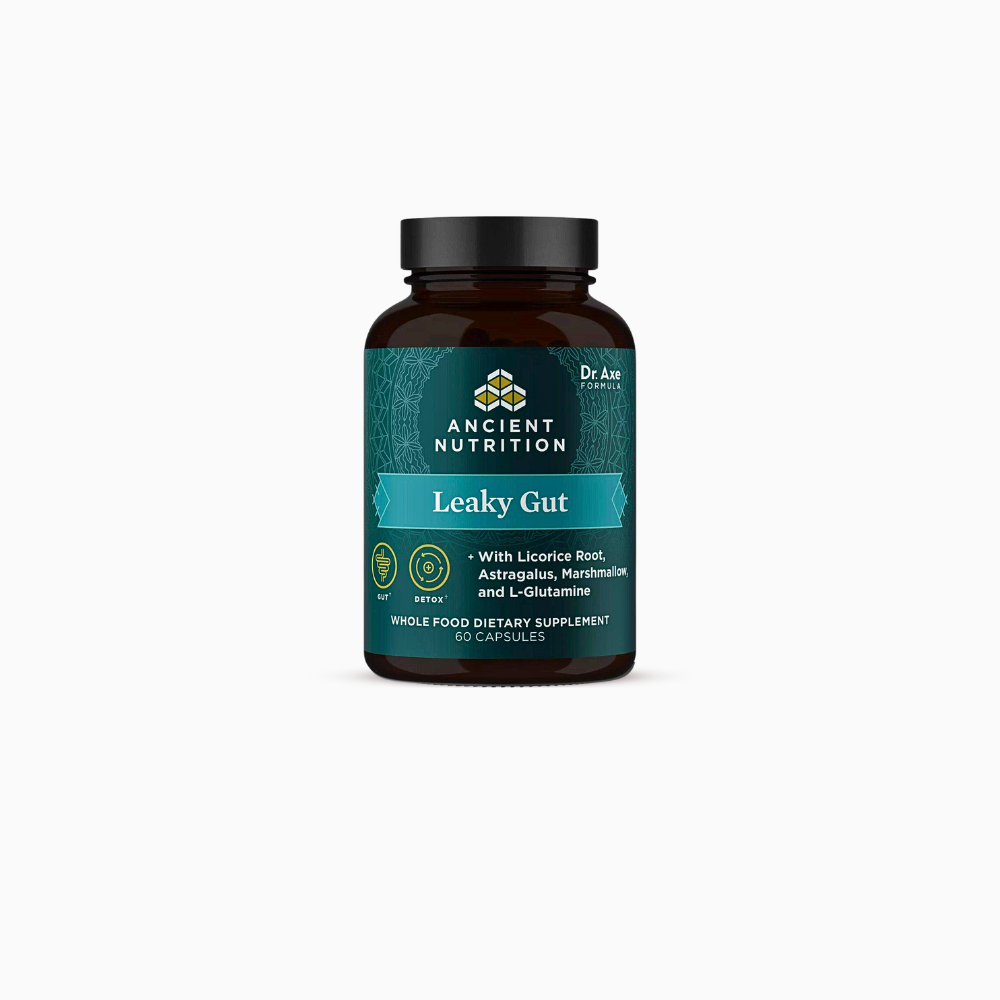
Nutritional and gut health support
-
Emotional wellness practices
This approach — blending clinical science with holistic care — represents the modern apothecary philosophy: treating the skin as part of the whole self.
For a Personalized Skin Diagnosis
Consult Our Experts
Conclusion: Rethinking Acne as Emotional Skin
Acne is not failure, dirt, or carelessness. It’s a skin condition with deep emotional roots and consequences. Treating it requires more than a spot treatment — it requires a new cultural understanding of skin health.
At Skin Love Cream, acne isn’t seen as a flaw but as a signal — of stress, hormones, lifestyle, and emotion. Solutions must be layered, holistic, and deeply human.

Written by keren shafir
Writes about wellness, daily movement, and clean nutrition. Outside of editing, you can find her drinking too much iced coffee, running, or walking her dog.