










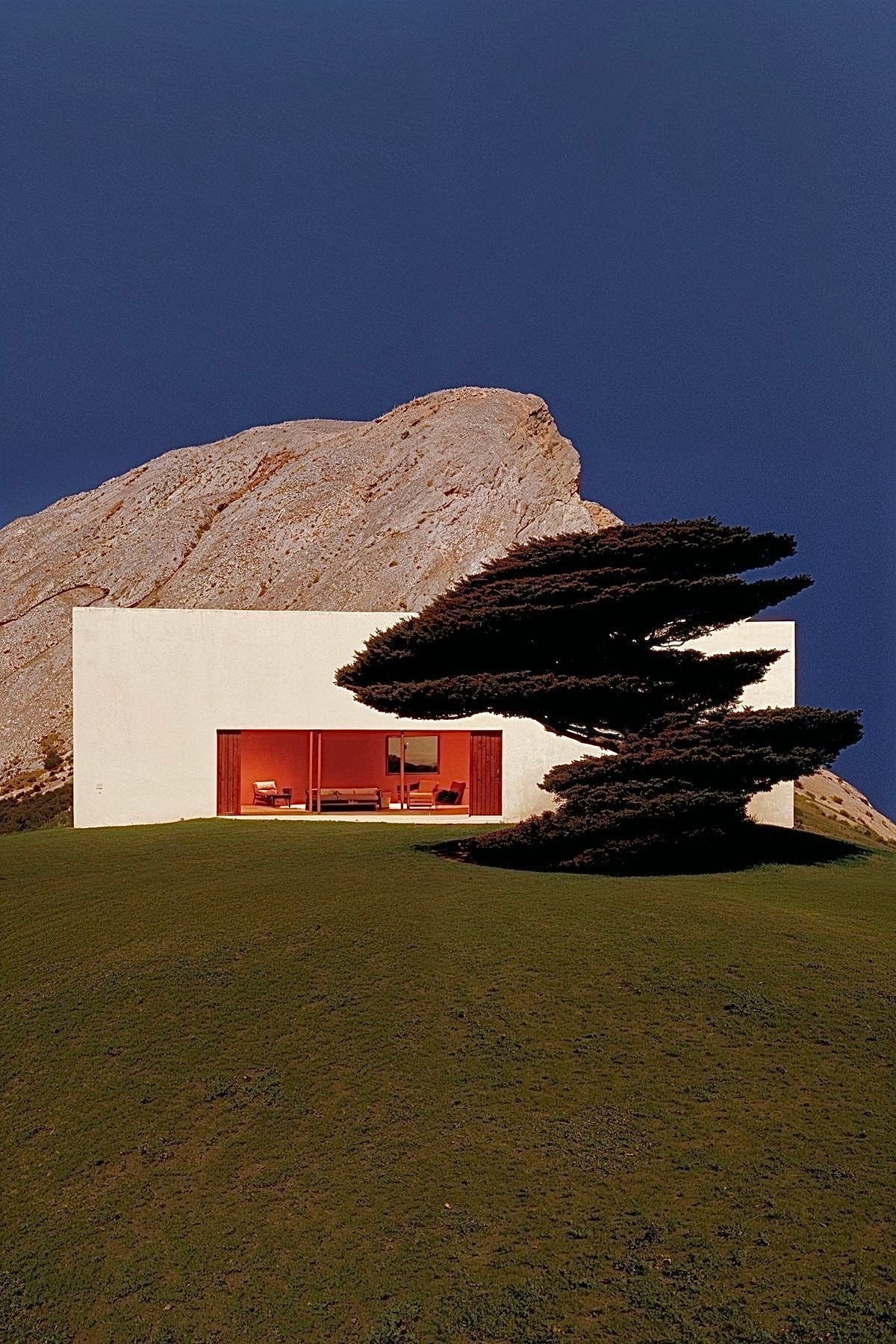
Silence Is The Simplest Form Of Self-Care
Most of us treat silence as a gap to fill. The pause before the next song, the quiet moment we reach to fill with a scroll, the empty stretch of a commute we hand over to a podcast. Silence feels like nothing — like wasted space. But it turns out we've had it almost exactly backwards. Those quiet moments aren't empty at all. They're when some of the most important things in your head actually happen.
Give your brain even a few minutes of real quiet and it starts to shift gears: stress hormones ease off, a whole part of your mind switches on to reflect and make sense of your day, and — this is the wild part — there's even evidence it helps your brain repair and renew itself. In a world designed to keep us plugged in from the moment we wake up, choosing a little silence has quietly become one of the kindest, most powerful things you can do for yourself. And the best part is it costs nothing and takes almost no time.
Here's what's really going on when the noise stops, why your mind craves quiet more than you might think, and how to find small pockets of it in an ordinary day.

Why We're All a Little Starved for Quiet
Think about the soundtrack of a normal day. Traffic. A buzzing phone. Music in every café and shop. Someone's playlist on the train, notifications stacking up, the low hum of an open-plan office. Your brain is wired to treat sound as information — as something that might need your attention — so every layer of it tugs at a little piece of your focus, even when you don't consciously notice.
That constant tug adds up. Living with steady background noise has been linked to raised blood pressure, poorer sleep, and more anxiety — enough that the World Health Organization treats noise as a genuine health concern, not just an annoyance. Your brain's built-in alarm system stays gently switched on in noisy places, keeping you a touch on edge without your realizing why. So quiet isn't a nice extra on top of a healthy life. For a modern, over-stimulated mind, it's closer to something you're actually missing.
What Happens the Moment It Gets Quiet
Here's the lovely thing: the shift starts almost immediately, and it's real enough to show up in blood tests and brain scans — not just in how calm you feel.
-
Your mind gets space to think. When you stop concentrating on the outside world, a different part of your brain wakes up — the part behind daydreaming, reflecting, and quietly filing away everything that's happened to you. This is where you make sense of your experiences and connect ideas. The trouble is, it can't get a word in when your mind is busy replaying conversations and scanning for the next task. Silence clears the traffic. Suddenly there's room to think.
-
Your stress levels drop, fast. Quiet is one of the quickest ways to bring down cortisol, your main stress hormone. In one study, just two minutes of silence was more calming than listening to relaxing music — it was the quiet afterward, not the music itself, that let people really unwind. As that stress chemistry settles, your body follows: your heart rate steadies, your blood pressure eases, and you slip out of "go-go-go" mode into the calmer state where your body actually rests and restores.
-
The mental chatter softens. People who spend a lot of time in quiet — through silent meditation, say — tend to develop less of that constant inner monologue. The running commentary in your head turns down a notch, and what's left is a bit more calm and clarity.
The Surprise: Quiet May Actually Help Your Brain Grow
This is the finding that made scientists sit up. In one well-known study, researchers were testing how different sounds affected the brain, and they used silence as the boring "nothing" they'd compare everything else to. The silence turned out to be the star: regular quiet actually encouraged the growth of new cells in the hippocampus, the part of the brain tied to memory and emotions.
What makes that so striking is that growing new brain cells is the kind of thing we usually link to exercise or learning something hard — not to sitting quietly and doing nothing. And silence beat pleasant sounds at it, which hints there's something special about the quiet itself, not just about relaxing. (This particular study was in animals, so it's not the final word — but it completely changes how you think about a quiet moment. It's not empty time. It's your brain doing housekeeping.)
Quiet Makes You Sharper — and More Creative
Two more perks you'll actually feel day to day.
-
The first is focus. Your attention is a limited tank, and constant noise drains it by making your brain juggle. When people do focused work in quiet, they tend to be more accurate, remember more, and feel less worn out. A little silence lets your focus refill after a loud, scattered day.
-
The second is creativity. This is why your best ideas so often show up in the shower or on a quiet walk, never when you're grinding away at your desk. With no noise to grab it, your mind wanders and starts linking ideas in new ways. In one study, people who spent a few days somewhere quiet and natural got dramatically better at creative problem-solving. Quiet is simply where good ideas have room to show up.
If Silence Feels a Little Uncomfortable, That's Normal
If the thought of just sitting in silence makes you slightly antsy, you're not alone — and it's worth understanding rather than avoiding. When the outside noise drops, the inside noise gets louder: the to-do list, the awkward thing you said, the feelings you've been quietly outrunning. A lot of the time, reaching for your phone isn't really about the phone. It's about not sitting with that.
Which is exactly why silence takes a little practice. The restlessness almost always passes. Give it a few minutes and the fidgety feeling settles, your thoughts stop spinning quite so fast, and what's left is a kind of roominess. And to be clear, the goal was never to switch your thoughts off — nobody can do that. It's just to stop pouring in new noise and let everything settle on its own, the way a shaken snow globe goes clear if you set it down.
How to Actually Fit More Quiet Into Your Day
You don't need a retreat or an hour of meditation. The version that sticks is small, gentle, and tucked into things you're already doing.
-
Guard the edges of your day. The first ten minutes after you wake and the last before you sleep are the easiest to protect. Instead of grabbing your phone straightaway, sit with your coffee, or just lie there and let it be quiet. Those two bookends do a lot.
-
Do something ordinary in silence. A walk with no podcast. A meal with no screen. Ten minutes tidying with nothing playing. Having something to do with your hands often makes the quiet easier than sitting perfectly still.
-
Come back to your breath. When your thoughts get loud, gently notice your breathing for a moment. You're not clearing your mind — you're just giving it one calm thing to come back to whenever it drifts.
-
Start tiny. Two minutes counts — that's genuinely long enough to feel a shift. Five or ten is a lovely daily goal. But honestly, it's the regularity that changes things, not the length. A few quiet minutes most days will do far more for you than one long session you never repeat.
-
Create a little cue for calm. Your brain settles faster into a state it recognises, and scent is one of the fastest ways in — it reaches the feeling part of your brain almost before you've had a thought. Pair your quiet time with the same calming scent each day and, over time, that aroma becomes a signal to your whole body that it's time to slow down. A quiet diffuser is the easiest way to set the scene: the Retreat Air Diffuser Kit pairs a near-silent ultrasonic diffuser with a calming essential oil blend, so a few minutes before your quiet time you can fill the room with a soft, grounding aroma and let it mark the space as yours. If you'd rather have something portable — for a quiet walk, your desk, or travel — a grounding fragrance like Forest Lungs, built around the calming scents trees give off, works beautifully as a pocket-sized anchor: a few slow breaths of it as you begin, and your nervous system starts to get the message. Used consistently, the scent alone becomes part of your off-switch.

The Takeaway
Silence has quietly become one of the simplest forms of self-care there is — free, quick, and available almost anywhere — and there's real science behind why it feels so good. A few minutes of proper quiet softens your stress, gives your mind space to catch up with itself, sharpens the focus a busy day wears down, and may even help look after the very brain cells you rely on to think and remember. In a world that treats being constantly plugged in as normal, choosing quiet feels almost rebellious. Your mind, which has been craving it, will thank you — usually within the first couple of minutes.

Written by Anastasiia Zhornikova
Writes about wellness, daily movement, and clean nutrition. Outside of editing, you can find her drinking too much iced coffee, running, or walking her dog.