




How to Layer Skincare Actives: Guide To Achieving Healthy, Glowing Skin
There's a reason your shelf keeps growing and your skin isn't keeping up: it's not what you're using, it's the order you're using it in. A retinol and a glycolic acid on the same night, a vitamin C fighting an exfoliating acid for the same pH, a barrier that's been asked to absorb six treatments before it's finished recovering from the first one — none of these ingredients are the problem. The sequence is.
The good news is that the logic underneath a working routine isn't complicated once someone walks you through it. Every active has a job, a time of day it performs best, and a short list of ingredients it either amplifies or cancels out. Once you know which is which, you can actually pare down — and get more out of the two or three things your skin needs than you ever did from the eight it was drowning in. Ahead, a real map: what each ingredient is doing at the cellular level, the combinations with mechanism behind them, the ones worth separating, and how it all comes together morning and night.

What Each Active Is Actually Doing

Le Mieux
Retinol Serum
shop now
Retinol is still the most rigorously studied anti-aging molecule in dermatology, and understanding why starts with the fact that it isn't active on its own — it's a precursor. Skin converts retinol to retinaldehyde, then to retinoic acid, which is the form that actually binds nuclear receptors and changes how cells behave. That conversion chain is exactly why retinol is gentler (and slower) than prescription tretinoin, and why retinaldehyde sits usefully in between — one step closer to active, for people who've outgrown retinol but aren't ready for a prescription. What you get on the other side is well documented: faster cell turnover, more type I collagen, and inhibition of the enzymes that break existing collagen down. The irritation that shows up during the adjustment period is a dosing issue, not a reason to give up on it.

ClearStem
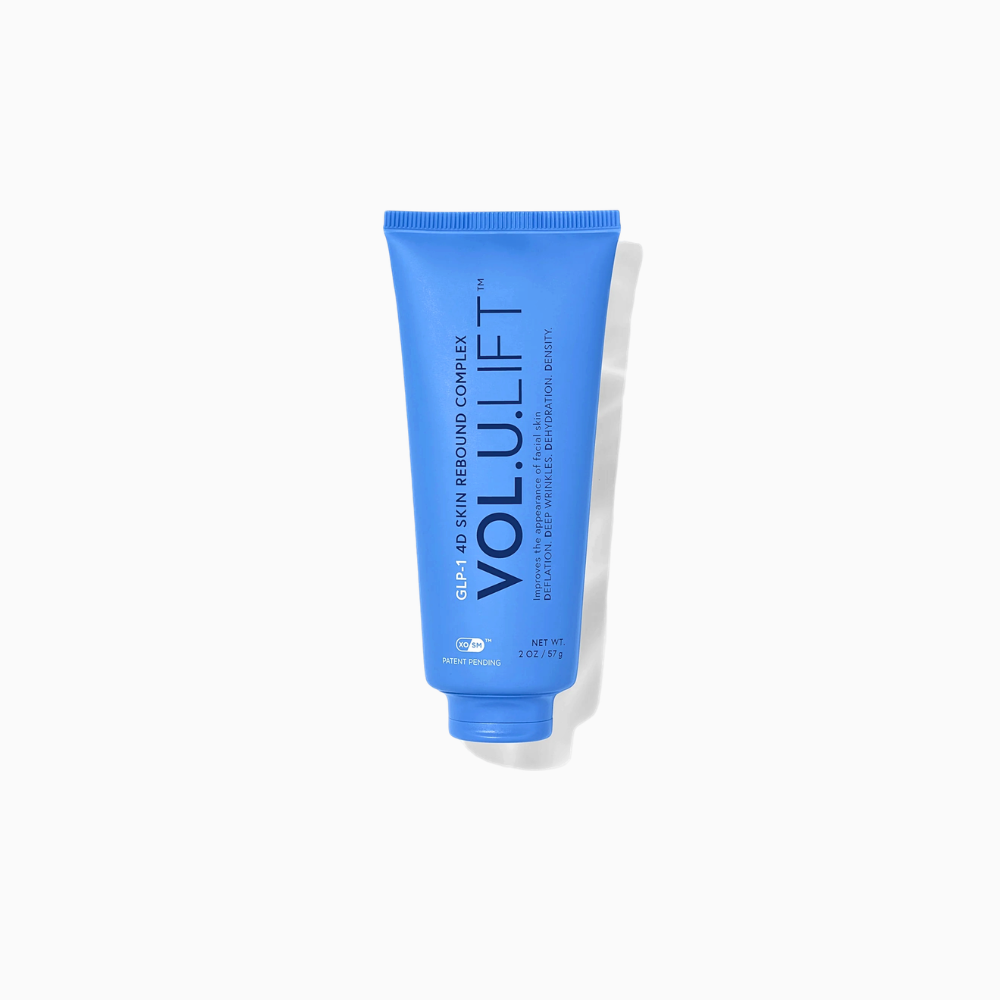
Vibrance C
shop now
Vitamin C is a daytime antioxidant, but it's also something more specific: a cofactor the enzymes that cross-link collagen literally require to function. Pure L-ascorbic acid is the best-studied form and also the least stable — it needs a low pH to work and starts oxidizing the moment the bottle is opened. Derivatives like sodium ascorbyl phosphate, THD ascorbate, and magnesium ascorbyl phosphate trade some potency for stability and a gentler feel on the skin. Which is really the point: the form and the packaging matter as much as the percentage printed on the front of the bottle.

The Outset
Restorative Niacinamide Night Cream
shop now
Niacinamide, or vitamin B3, might be the most versatile ingredient in skin care, and it's also the most misunderstood. Inside skin cells, niacinamide gets converted into NAD+ and NADP+ — coenzymes that sit at the center of cellular energy and repair. That single upstream role is what explains its unusually wide résumé: more ceramide and fatty-acid production for a stronger barrier, calmed inflammation, evened tone through limiting pigment transfer between cells, regulated oil. It's worth being precise here, because niacinamide gets oversold: there's no single dramatic target. It works by supporting the cell's overall metabolic housekeeping, which is exactly why it helps a lot of things a little, rather than doing one thing spectacularly.

Skin Script
Peptide Serum
shop now
Peptides are short chains of amino acids that act as messengers — signal peptides tell skin to produce more collagen, carrier peptides ferry trace minerals like copper into the skin, others block the enzymes that break collagen down. Their real appeal is tolerability: no retinoid-level irritation, which makes them easy to layer with almost anything and a smart entry point for reactive skin. The honest caveat, the one worth knowing before you spend on a peptide serum: the evidence is more variable than retinol's, and results hinge entirely on the specific peptide used and whether the formula is actually built to get it into the skin.

GlyMed Plus
Refining Body Scrub
shop now
Alpha hydroxy acids — glycolic, lactic, mandelic — are water-soluble exfoliants that dissolve the bonds holding dead surface cells together, and they are not interchangeable. The difference comes down almost entirely to molecular size. Glycolic is the smallest, which means it penetrates fastest, works hardest, and irritates most. Lactic is larger and gentler, and it doubles as a humectant, so it hydrates while it exfoliates. Mandelic is larger still, and that extra bulk is exactly why it absorbs slowly and evenly — making it the AHA of choice for sensitive skin and deeper skin tones, where a harsher acid risks triggering post-inflammatory pigmentation. Mandelic also carries mild antibacterial activity and tyrosinase inhibition, so it's quietly brightening the whole time it exfoliates.

Michele Corley
Corrective Salicylic Cleanser
shop now
Salicylic acid, the BHA, is oil-soluble — and that's the entire point. It can travel through sebum into the lining of the pore, somewhere water-soluble AHAs simply can't follow. That's what makes it the exfoliant of choice for blackheads, congestion, and oily or acne-prone skin. It's also chemically related to aspirin, which is why it's anti-inflammatory on top of everything else.

AnteAGE
Hyaluronic Acid Glide Gel
shop now
Hyaluronic acid isn't a transforming active in the way the others are — it's a humectant, something that holds onto water. But its role in a layered routine is real: it buffers the sting of stronger actives and helps a compromised barrier actually hold the moisture it's fighting to keep. Different molecular weights sit at different depths in the skin, which is why a blend of weights tends to outperform a single-weight serum.

Perricone MD
CCC Ferulic Brightening Complex 20%
shop now
Vitamin E and ferulic acid matter mostly as teammates to vitamin C rather than stars on their own. Vitamin E stabilizes and regenerates vitamin C as it works; ferulic acid stabilizes both of them and, in the process, roughly doubles the sun protection a C+E serum offers alone. It's one of the rare instances in skin care where the combination is measurably greater than the sum of its parts.

IMAGE MD
Biotech Longevity Creme
shop now
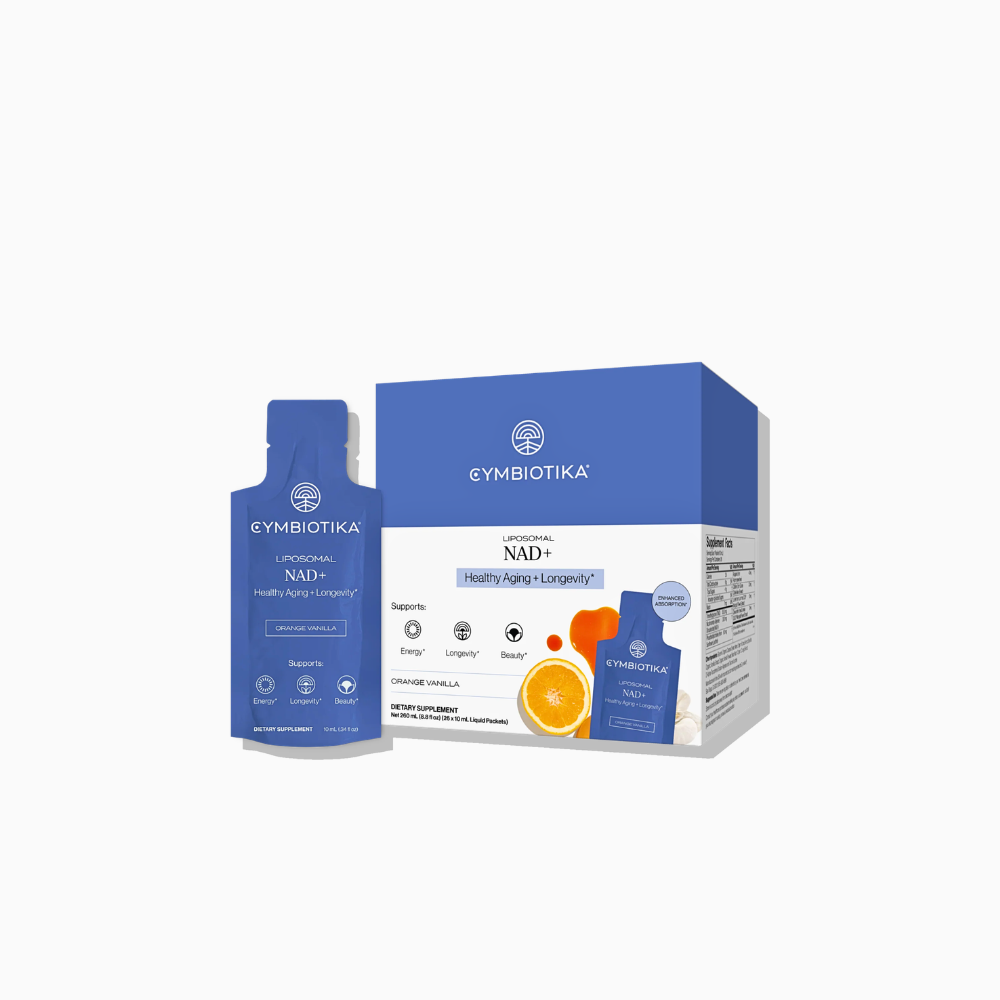
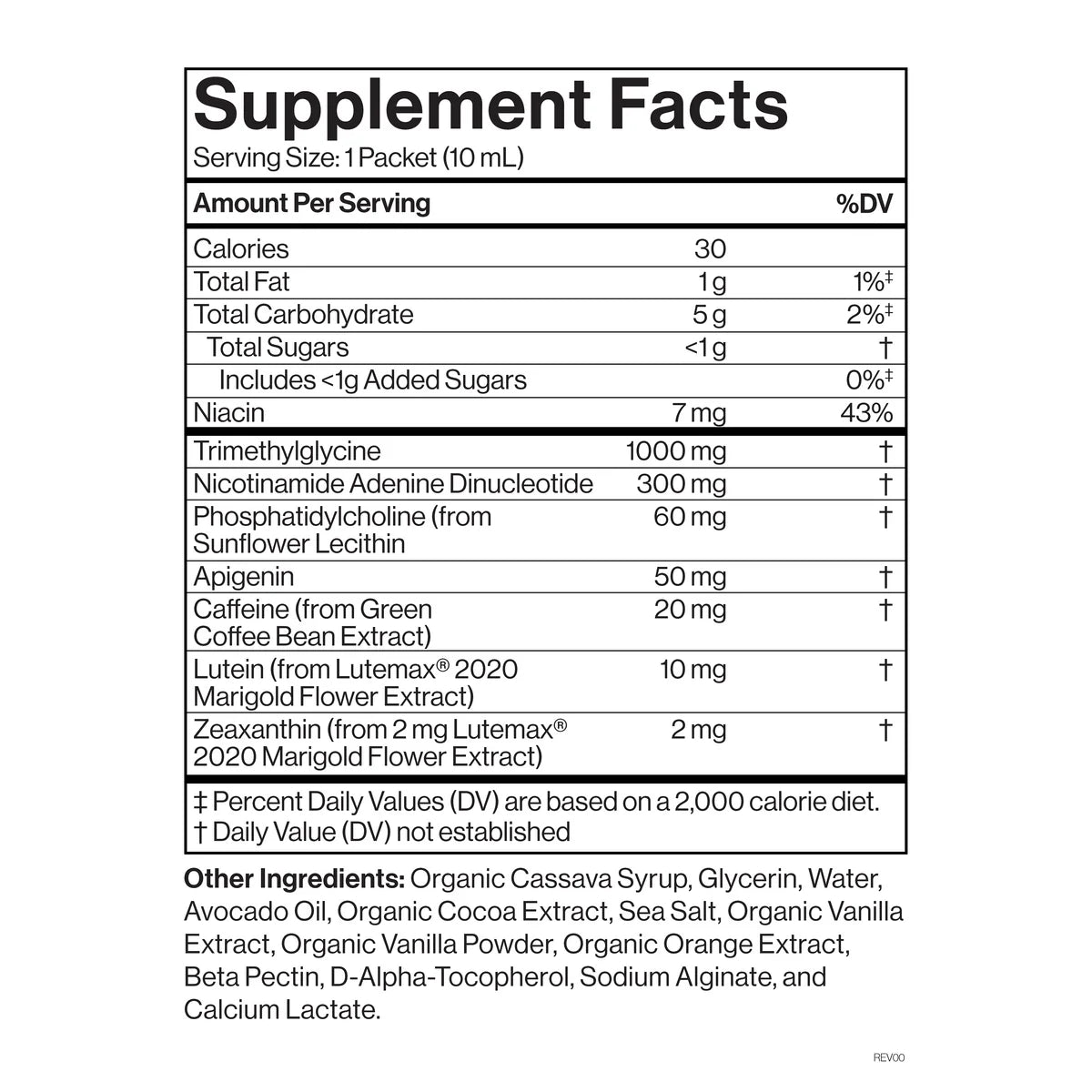
NAD+ is the newest name to migrate over from the longevity world, and the honest read is more complicated than the marketing suggests. NAD+ is a cellular-energy molecule that declines as we age, which is exactly why it's suddenly on every label in sight — but applying it directly to skin isn't well proven, because the molecule itself is too large and unstable to do much once it's on the surface. The route with real evidence behind it is niacinamide, which the body converts into NAD+ on its own. Which means the plain B3 serum you might already own is likely doing the job the premium NAD+ label is charging for.
The Combinations Worth Building Around
- Vitamin C, vitamin E, and ferulic acid together form the most solidly proven antioxidant combination in skin care — the three stabilize and refresh each other, and as a trio they roughly double the sun protection any one of them offers alone. This is why a well-formulated morning vitamin C serum almost always already has all three folded in.
- Vitamin C and sunscreen is the anchor pairing of any morning routine, and there's a clean division of labor behind it: sunscreen blocks most of the UV before it becomes a problem, and vitamin C mops up the free radicals that slip past anyway. Each one is covering exactly what the other misses.
- Retinol and peptides work well together because they're not really doing the same job. Retinol drives change and puts a little stress on the barrier in the process; peptides support repair without adding any irritation of their own. One remodels, the other steadies—which is about as complementary as two actives get.
- Niacinamide plays well with nearly everything, and its gentle, barrier-supporting nature means it can sit alongside almost any other active and genuinely lower the irritation of a retinol or acid it's paired with. The old rule that niacinamide and vitamin C can't be combined traces back to a lab study involving heat — not real-world use. In practice, the two are fine together, and plenty of formulas combine them on purpose.
- Retinol and hyaluronic acid is the simplest fix for making retinol livable long-term. A humectant alongside it offsets the dryness retinol tends to cause, which means less flaking and, more importantly, a much better chance you actually stay consistent long enough to see the payoff.
- Any exfoliant, followed by barrier support — hyaluronic acid, niacinamide, ceramides, whatever fits the rest of the routine — is close to a non-negotiable pattern. It's how you get the renewal without leaving the barrier raw in the process.
- Mandelic and lactic acid show up together often enough in formulations that it's clearly a deliberate pairing, not an accident. Mandelic handles slow, even exfoliation along with a little antibacterial work, and lactic adds hydration plus its own brightening effect — together landing on a resurfacing experience that most sensitive skin can actually tolerate.
The Combinations to Keep Apart
None of these ingredients are bad on their own. They just don't belong in the same step.
- Retinol and exfoliating acids are both pushing cell turnover and both putting real strain on the barrier, so stacking a glycolic and a retinol into the same night compounds the irritation fast and can tip into redness and peeling. The fix is simply alternating them across separate nights with a rest night in between — which, incidentally, is the actual mechanism behind "skin cycling." Less a trend than a schedule for getting the benefits of both without overloading either.
- Retinol and vitamin C come with a caveat worth knowing: the blanket "never together" rule oversimplifies things. The original concern was a mismatch in the acidity each one prefers, and newer formulations have largely engineered around that, with plenty of brands pairing the two on purpose now. Still, the cleanest approach remains splitting them by time of day — vitamin C in the morning, retinol at night — which sidesteps the issue entirely and keeps irritation low.
- Two strong exfoliating acids at once — a potent glycolic layered over a salicylic, for instance — is a fast way to compromise the barrier for most people. One exfoliating step per routine, full stop.
-
Benzoyl peroxide and older retinol formulas don't mix well: benzoyl peroxide can break down some traditional retinols, and the two are drying enough on their own without being combined. Unless a product is specifically engineered to pair them, keep them at different times of day.
The Morning Routine
Mornings are about protection — antioxidants, moisture, sun defense — and the whole thing doesn't need to take long. Give each step a beat to actually absorb before moving to the next.
Start with a gentle cleanser suited to your skin type — gel or foam if you run oily, a cream cleanser if you're dry or sensitive. Follow with a vitamin C serum, ideally one that already includes vitamin E and ferulic acid, for both antioxidant protection and brightness. If peptides or niacinamide are part of your routine, this is where they go — neither one clashes with anything happening in the morning. Finish with broad-spectrum sunscreen, every single day, no exceptions. Consistent sun protection does more for the long-term health of your skin than any other single step, and it's protecting the very collagen the rest of your routine is trying to build. Once retinol enters your evenings, that morning sunscreen stops being optional and becomes the whole point.
A Night Routine Built for Repair
At night, the goal flips: trade vitamin C for a treatment active, skip the sunscreen, and let the skin do its recovery work while you sleep.
Cleanse first — double cleanse if you wore makeup or sunscreen that day, a balm to break it down followed by your usual cleanser. Apply your main active to fully dry skin. Retinol belongs here, and it genuinely works best on dry skin, since light breaks it down and it raises sun sensitivity; a milder retinal serum is a smart place to start if you're new to it. On the night or two each week you skip retinol, swap in an exfoliant instead — mandelic if you're sensitive or have a deeper skin tone, glycolic if your skin can handle it and you're chasing glow, salicylic if oil and congestion are the issue. Follow with barrier support — niacinamide, peptides, or a hyaluronic acid serum — and seal everything in with a moisturizer or a richer night cream.
Restraint is really the whole skill here. Eight actives don't deliver eight times the results — they usually just deliver more irritation, more spending, and a barrier that can't keep pace with what's being asked of it. For nearly everyone, two well-chosen treatments between cleansing and moisturizing is enough to move the needle.
The Newer Ingredients: What Holds Up
NAD+ creams are a genuinely compelling story with thin evidence behind them so far. The molecule is large and unstable enough that there's little proof a topical actually raises NAD+ levels inside the skin. Niacinamide — a proven NAD+ precursor with decades of research already behind it — remains the more sensible, more affordable way in. Newer precursors like NMN are interesting on paper but short on skin-specific evidence and priced well ahead of it.
Exosomes and growth factors are two of the buzziest names in skin care right now, with a plausible mechanism behind them — cellular signals that help skin repair itself — and the strongest results showing up right after in-office treatments like microneedling. At-home evidence is still thin, which makes this a category worth watching rather than betting on just yet.
Microbiome skin care rests on something real: the mix of microbes living on skin genuinely affects barrier health, and pre- and postbiotic products are everywhere as a result. Most of the "restores your microbiome" claims on the market, though, are still ahead of what the research can actually back up.
Bakuchiol is sold as a gentle stand-in for retinol, and the early results are decent — but it works through entirely different pathways in the skin, which makes it a reasonable choice for people who can't tolerate retinoids rather than a one-to-one replacement for people who can.
The thread running through all of it: choose ingredients for what your skin actually needs, not because a name is trending this month.
The Takeaway
Underneath everything above, the plan is fairly simple. Match your actives to the concerns you actually have. Keep the protective ingredients in the morning and the repairing ones at night. Keep the clashing pairs apart. Introduce anything strong gradually, and support the barrier every time you push it. Then stay consistent, because that's the variable that actually moves outcomes. A short routine built from a few well-matched actives, used regularly, will outperform a crowded shelf every time.
Related reading

Written by Anastasiia Zhornikova
Writes about wellness, daily movement, and clean nutrition. Outside of editing, you can find her drinking too much iced coffee, running, or walking her dog.