




The Quiet Power of Handheld Light: Why LightStim Has Earned a Place on the Vanity
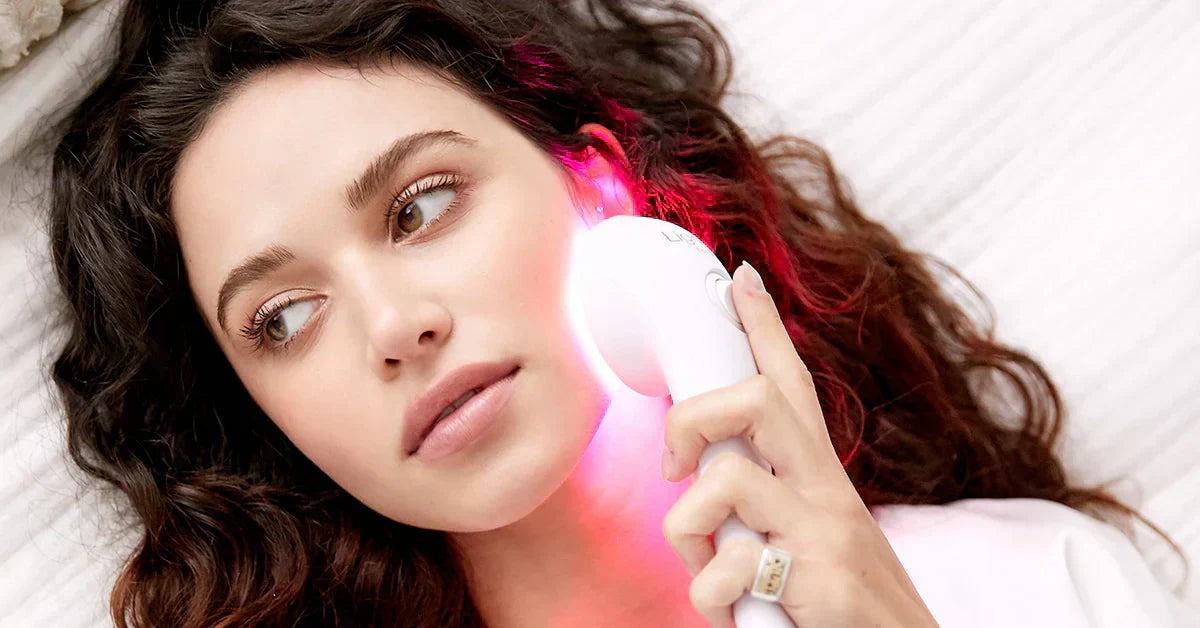
There’s a reason LED has slipped from clinic rooms into bathroom drawers without much fanfare: it isn’t flashy. It doesn’t fizz, sting, or give you a dopamine spike in thirty seconds. LED is the quiet type — the kind of technology that works the way skin prefers to change: gradually, gently, consistently. That’s exactly why LightStim’s wands have a following.
Each model is unapologetically single-minded, built around a specific “language” of light so you don’t wrestle with modes or menus; you simply pick the concern — wrinkles, acne, or everyday aches — and commit to a pocket of stillness while the diodes do their work. It’s minimal theatre, maximum compliance — an approach that suits modern routines where the most effective product is the one you’ll actually use.

Why LED Is Worth Your Attention
What makes LED worth your attention in the first place? In skincare, red and near-infrared wavelengths are the diplomats: they speak to the skin’s repair systems, encouraging that “rested” look and softening the appearance of fine lines over time. In acne care, blue light is the realist: it targets the bacteria implicated in breakouts via their own photosensitive porphyrins, while a touch of red helps quiet the look of inflammation around an active spot. The combination isn’t speculative; it’s documented across peer-reviewed trials and reviews that read less like hype and more like a pattern: use the right light, repeatedly, and skin habits begin to shift. None of this is overnight, and that’s the point — the results accrue the way good sleep, sunscreen, and a sane cleanser accrue.
LightStim for Wrinkles
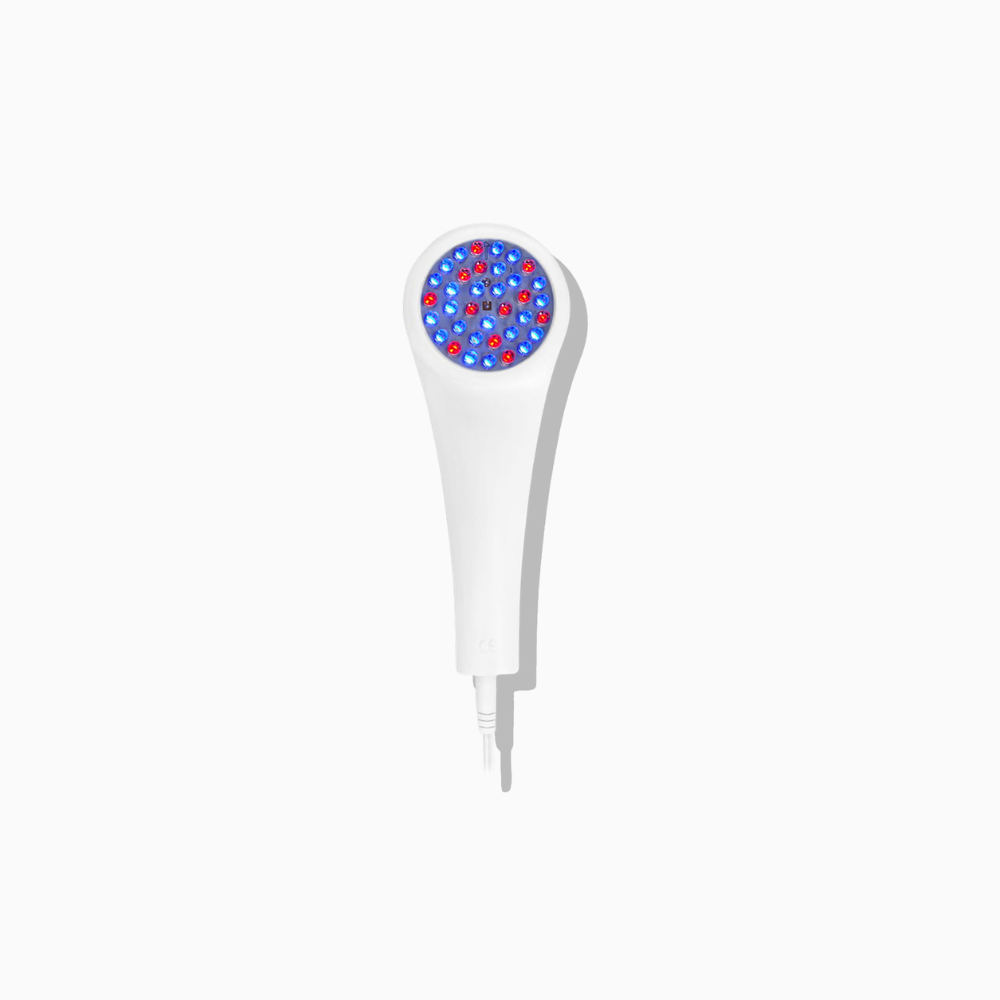
LightStim’s take on the category is deliberately practical. LightStim for Wrinkles blends amber, light red, dark red and near-infrared LEDs across a wide head — seventy-two diodes working together so the experience feels like a wash of gentle warmth rather than a pinprick of brightness. It’s for faces that look a touch deflated by screens, travel and time; for people who love their retinoids but also understand that topical chemistry and light can be complementary rather than competitive. Over weeks, texture tends to appear more even and fine lines look quieter — not because the device is “tightening” anything in a dramatic, single-session way, but because repeated exposure to these specific wavelengths is associated with improved collagen metrics and surface smoothness. The magic is not drama; the magic is repetition.

LightStim for Acne
LightStim for Acne reads like the opposite personality — decisive and to the point. Blue light (the acne specialist) and red (the calmer-down) share a single wand, giving temperamental zones a daily nudge away from flare-ups without the collateral dryness of heavy-handed actives. Dermatology literature has been circling the same conclusion for years: blue in the ~407–420 nm band can inactivate C. acnes by exciting those bacterial porphyrins, and pairing it with red helps with the inflamed look that turns a small comedone into a “cancel your plans” situation. For stress-jawline people, for mask-era holdovers, for anyone whose skin behaves until it suddenly doesn’t, the appeal is obvious — LED is boring in the most reassuring way. You do it, you forget about it, and a month later your mirror is a little less eventful.

LightStim for Pain
Then there’s LightStim for Pain, which lives in a different drawer but gets passed around the household the most. Red and infrared wavelengths at a broader depth aren’t skincare-specific; they’re about comfort — those small, everyday aches that come from laptops, taxis, pilates, or sleeping with ambition. The device is FDA-cleared to temporarily relieve minor aches and pains, relax muscles, and increase local circulation, which explains why it keeps migrating from desk to nightstand to gym bag. It’s the wellness equivalent of a good stretch: under-dramatic, immediately civilising, strangely addictive once you get used to feeling better than you did before.

Two Myths Worth Retiring
If the category has myths, here are the two worth retiring. First: that all “red light” is the same. It isn’t. Wavelengths, output and diode mix matter, which is precisely why LightStim doesn’t pretend one wand can do everything; the wrinkle, acne and pain devices aren’t interchangeable, and that’s by design. Second: that blue light is “bad for skin” in any context. The anxiety stems from uncontrolled HEV exposure from screens, which is a separate conversation; clinical-grade blue LED delivered at targeted doses is a different, purposeful tool with an evidence base in acne care. The nuance is boring, and therefore true.
Where It Fits in a Real Routine
Where do these wands fit in a routine that already includes competent cleansers, elegant acids and a sunscreen you don’t resent? Think of LED as background music—subtle, stabilising, and best appreciated when you stop it and realise you miss it. The wrinkle device complements retinoids and peptides the way strength training complements cardio: same ambition, different mechanism. The acne wand gets along with mandelic or lactic acids because it doesn’t further bully the barrier; it just asks the bacteria to leave and tells the redness to lower its voice. The pain device isn’t concerned with glow at all; it’s there to make the rest of you more liveable. If you’re the sort of person who already owns three SPFs and two vitamin C serums, this may be the most grown-up upgrade you can make: a technology that behaves itself, expects consistency, and pays you back in the currency of “less to think about.”

The Bottom Line
None of this replaces the core rules—sleep, sun protection, sensible actives—but it does recognise how people actually live. There are weeks when your routine is perfect and weeks when your routine is “cleanse and cope.” A LightStim session is a tiny pocket of compliance that survives both. It asks only that you show up, and it rewards you not with a fireworks display but with a cumulative calm: smoother texture that doesn’t announce itself, fewer angry surprises on the jawline, shoulders that don’t feel like they belong to a stranger. That kind of progress doesn’t trend on social media because it isn’t photogenic; it’s just real. And in beauty, real tends to last.
Notes for the Cautious
Notes for the cautious: LED is broadly well-tolerated across skin types; stick to reputable, FDA-cleared devices and remember that photosensitising medications (or specific medical conditions) warrant a quick check-in with your clinician. The technology is gentle, but “gentle” and “for everyone, in every context” are not synonyms. Sensibility is still the best ingredient in any routine.


Written by iana salyvoniuk
Writes about wellness, daily movement, and clean nutrition. Outside of editing, you can find her drinking too much iced coffee, running, or walking her dog.